Arriving in Morocco: Passport Control, Customs and What Not to Pack (Drones!)
What happens between landing and meeting your driver: passport control, the queues, customs rules, the famous drone ban and the items that can cause trouble — explained simply for a smooth arrival.

Between the moment your plane lands and the moment you meet your driver, there are a few formalities: passport control, baggage reclaim and customs. They are usually straightforward, but knowing what to expect — and what not to pack — saves time and avoids unpleasant surprises. This guide gives you the practical picture; always check official sources for the rules that apply to your nationality.
Before you fly: passport and entry rules
Citizens of many countries, including the European Union, the United Kingdom, the United States and Canada, can usually visit Morocco for tourism without a visa for up to 90 days. Other nationalities may need a visa or an electronic travel authorisation. Rules change, so check your government’s travel advice or the Moroccan consulate before booking.
Make sure your passport is valid for the whole stay — many travellers prefer at least six months’ validity to avoid any discussion with airlines. Children need their own passport. If a child travels with only one parent or with other adults, carry documents proving the relationship and a signed authorisation from the absent parent: it is rarely asked for, but it can save a lot of trouble.
Passport control
After landing, follow the signs to Police / Contrôle des passeports. At busy times — late afternoon and evening at Marrakech in high season, for example — queues can take from a few minutes to an hour. Officers stamp your passport and may ask simple questions: the purpose of your trip, how long you are staying and where. Have your accommodation address ready, written down or on your phone; it is often requested. Depending on current procedures, you may be asked to fill in an arrival form; airline crews usually distribute it on board if needed.
Your driver tracks your flight and knows how long these steps can take, so there is no need to rush — the waiting time is included.
Baggage reclaim and customs
Collect your luggage, then go through customs. Most travellers simply walk through the green channel. Bags may be scanned or opened at random, which is normal.
Drones: leave them at home
This is the most important rule for many visitors: drones may not be brought into Morocco without prior authorisation. In practice, customs officers detect them on scanners and keep them at the airport; you are given a receipt and can usually collect the drone when you leave from the same airport, but you cannot use it during your trip. Flying a drone in Morocco without official permission is prohibited. Photographers and film crews should apply for authorisations well in advance through the proper channels — our article on film crews and photographers explains the logistics.
Other items to think about
- Medicines: carry prescription medicines in their original packaging, with a copy of the prescription, especially for strong painkillers or psychotropic drugs.
- Professional camera equipment in large quantities may attract questions; keep invoices or a list.
- Large amounts of cash must be declared above certain thresholds — and remember that only a limited amount of Moroccan dirhams can legally be imported or exported.
- Certain publications and products considered offensive or illegal locally are prohibited; ordinary holiday luggage is never a problem.
Money and SIM card at the airport
Once through customs, you can change money, withdraw dirhams and buy a SIM card in the arrivals hall. Our guide to SIM cards, cash and Wi-Fi on arrival explains the best options.
Meeting your driver
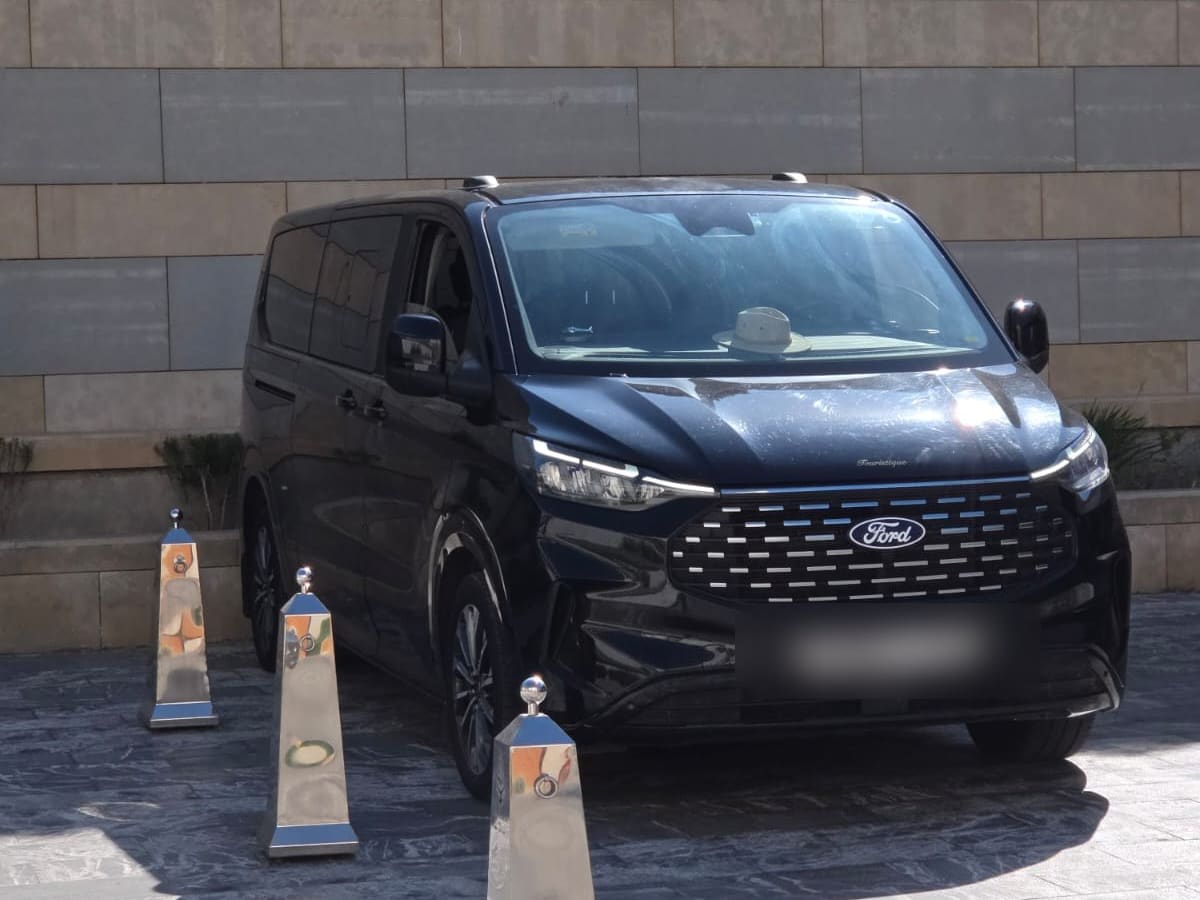
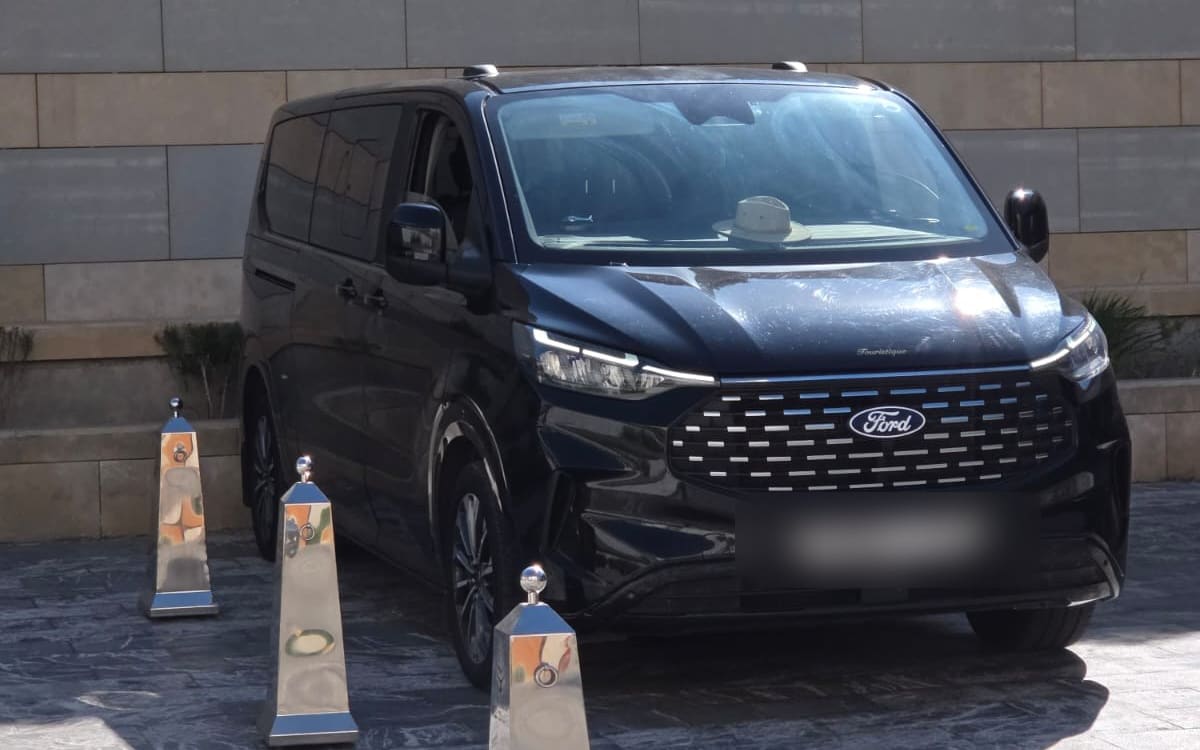
As you walk into the arrivals hall, look for a sign with your name. If you booked a Marrakech airport transfer with us, the driver greets you there, helps with your bags and leads you to the vehicle. Politely decline offers from unofficial drivers or porters — read how to avoid taxi scams at Marrakech airport.
Arriving with young children
Moroccan airports are family-friendly: staff often let families with babies use faster lanes at passport control, and trolleys are available for luggage. Keep pushchairs until the aircraft door if your airline allows it, and pack snacks and water for the queue. Car seats are not compulsory in taxis, but they are essential for safety on Moroccan roads — when you book a private transfer with us, child seats are provided free of charge on request. Read our guide to family airport transfers and child seats.
Leaving Morocco
On departure, allow enough time for the security check at the terminal entrance, check-in, passport control and the final security screening. At Marrakech, we recommend arriving two and a half to three hours before an international flight in high season. If customs kept your drone, go to the customs office before check-in to collect it. See our departure day guide.
Quick checklist
- Passport valid for the whole stay (ideally six months) and visa if required
- Accommodation address written down
- Prescriptions for medicines
- No drone in your luggage
- Driver’s name and WhatsApp number saved
- A little cash or a bank card for the first dirhams
In short
Arriving in Morocco is generally smooth: a passport check, your bags, a quick walk through customs, and your driver waiting with your name. Leave the drone at home, keep your documents handy, and let the trip begin.
Need a private driver for this trip?
Fixed price per vehicle, meet & greet and 24/7 WhatsApp support.