Travelling in Morocco During Ramadan and Eid: Transfers, Timing and Etiquette
Ramadan and Eid change the rhythm of Moroccan life. What it means for airport transfers, road trips, restaurants and opening hours — and how to enjoy this special time.

Many travellers wonder whether they should avoid Morocco during Ramadan. The short answer is no — it's a fascinating, warm and often very beautiful time to visit. But the rhythm of daily life changes, and so do traffic, opening hours and the busiest travel days. Understanding these changes helps you plan transfers and excursions smoothly and enjoy the festive evenings.
What is Ramadan?
Ramadan is the ninth month of the Islamic lunar calendar. During this month, most Moroccans fast from dawn to sunset — no food, no drink and no smoking during daylight. Because the lunar calendar is shorter than the solar one, Ramadan moves about eleven days earlier each year, so check the dates for your trip. The fast ends each evening at sunset with ftour (iftar), traditionally harira soup, dates, eggs, msemen pancakes and sweet chebakia pastries.
How daily life changes
- Mornings are quieter. Many people sleep later; some shops open later than usual.
- Afternoons slow down. People are tired and thirsty, especially when Ramadan falls in summer.
- Just before sunset, streets get busy as everyone hurries home or to the market for last purchases.
- At sunset, the city falls almost silent while families break the fast.
- Evenings come alive — squares, cafés and streets are full until late, with a festive, family atmosphere.
Transport during Ramadan
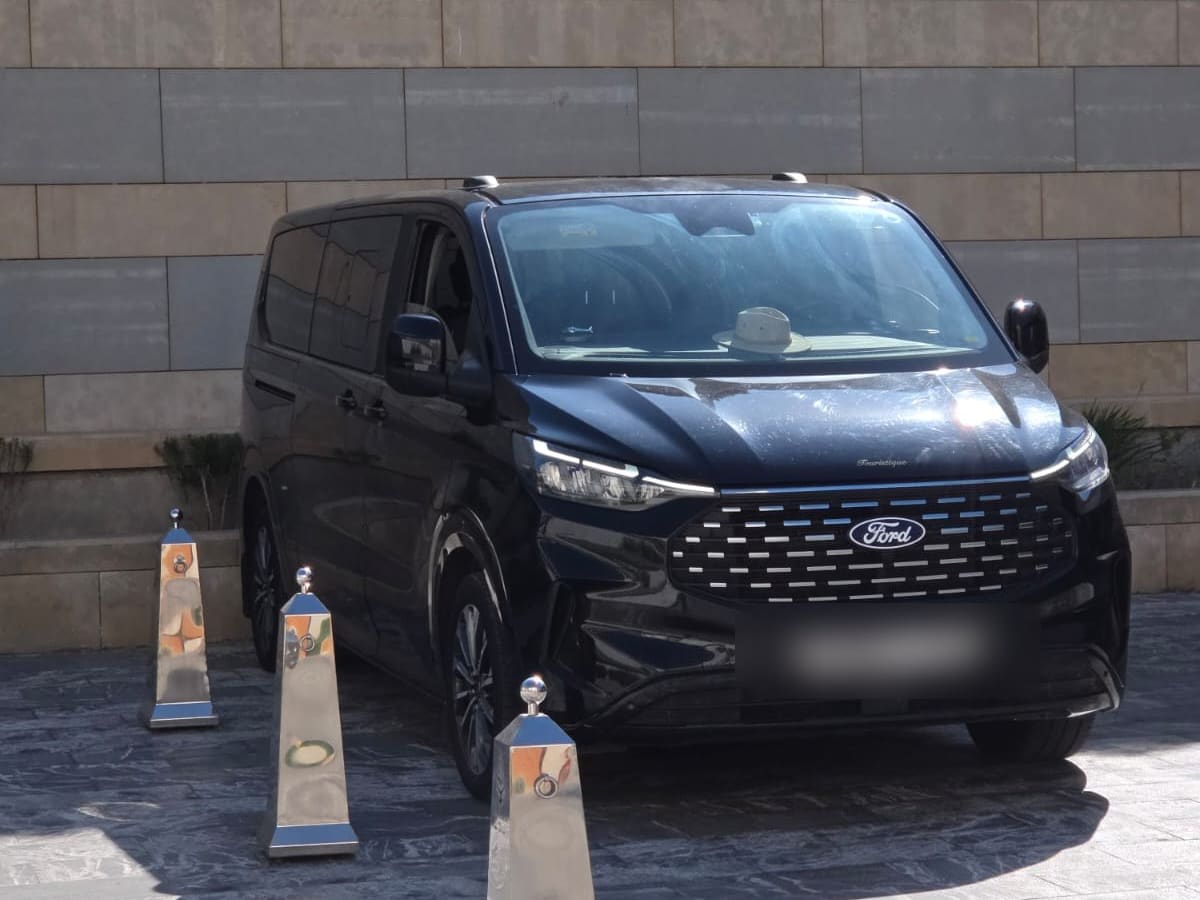
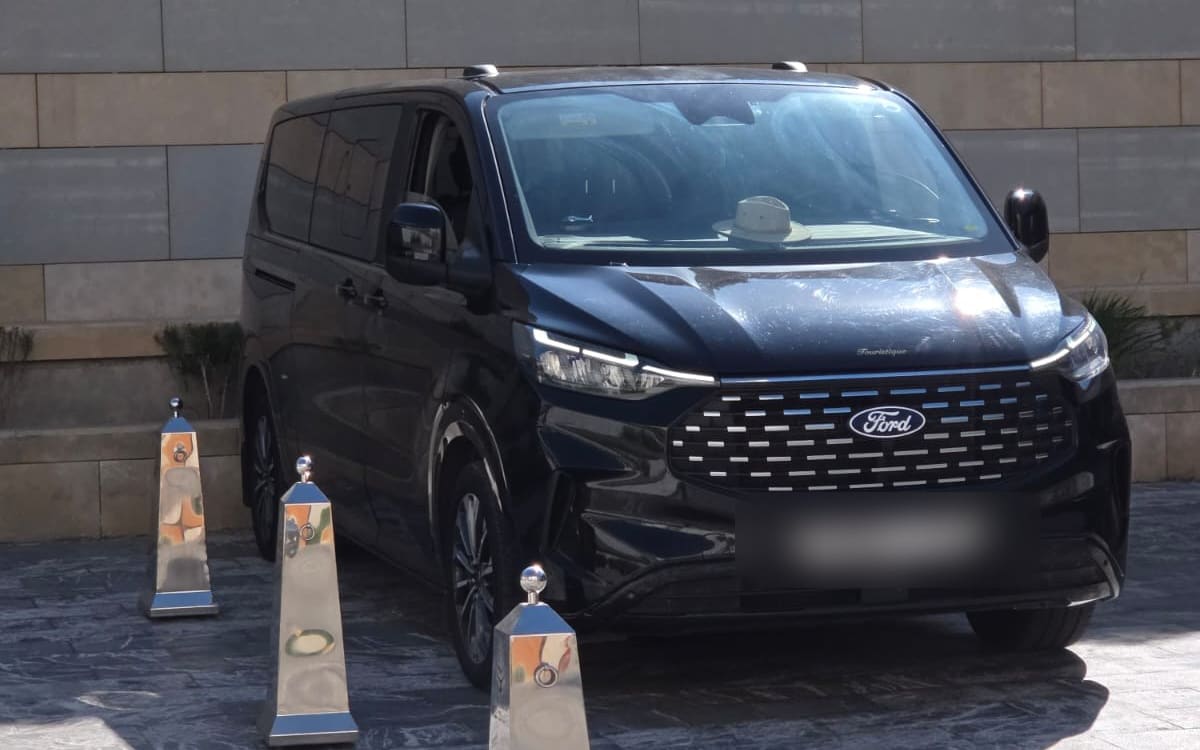
Airport transfers work normally. Airports operate as usual, and our drivers work around the clock. If your flight lands around sunset, don't worry: your driver will be there. Many drivers take a few minutes to break the fast with a date and water — if you're offered one, it's a lovely moment to share.
Roads are quiet at iftar. The half hour after sunset is the quietest moment of the day on the roads. It's actually a great time for a transfer, as traffic in Marrakech and Casablanca nearly disappears.
Avoid the rush before sunset. The hour before iftar can be hectic in cities, and some drivers on the roads are tired and in a hurry. Professional drivers stay calm; it's one more reason to travel with an experienced driver. Read more about road safety in Morocco.
Long road trips: plan departures in the morning so you arrive before the late-afternoon rush. For multi-day tours, your driver knows where to stop and how to adapt the day.
Eid: the busiest travel days of the year
Two holidays have a big impact on transport:
- Eid al-Fitr marks the end of Ramadan. In the days before, many Moroccans travel home to their families. Trains and buses are full, motorways are busy and prices for some services rise.
- Eid al-Adha (the Feast of the Sacrifice), about two months later, is the biggest family holiday of the year. The days before and after see huge movements across the country, and many businesses close for a few days.
If your trip coincides with Eid, book transport well in advance, avoid relying on trains or long-distance buses on the busiest days, and expect some shops and restaurants to close for a day or two. A private transfer, booked ahead, removes most of the uncertainty. For arrivals at Casablanca, see our Casablanca airport to Marrakech transfer.
Eating out during Ramadan
In tourist areas of Marrakech, Essaouira and Agadir, many restaurants and hotels continue to serve lunch to visitors, sometimes in an indoor room. In villages and smaller towns, daytime options are limited — bring snacks and water for excursions, and eat them discreetly in the vehicle. In the evening, try a traditional ftour: many riads and restaurants offer one, and it's one of the most memorable meals of a trip.
Etiquette for visitors
You are not expected to fast. But a few courtesies are appreciated:
- Avoid eating, drinking or smoking openly in the street during the day, especially outside tourist areas.
- Dress a little more conservatively, covering shoulders and knees.
- Be patient with slower service in the afternoon.
- Alcohol is less available during Ramadan; some venues stop serving it entirely.
- Return greetings: "Ramadan Mubarak" or "Ramadan Karim" is always appreciated.
Is it a good time for day trips?
Yes, with a little adjustment. Start early, plan lunch in a tourist-friendly place or bring a picnic, and be back in the city for the evening atmosphere. Mountain trips to Imlil or the Ourika Valley are especially pleasant when Ramadan falls in summer, as the mountains are cooler.
Practical checklist
- Check the Ramadan and Eid dates for your trip.
- Book airport transfers and long journeys in advance, especially around Eid.
- Carry water and snacks for excursions.
- Plan evenings to enjoy the festive atmosphere.
- Be flexible with opening hours.
Ramadan offers a side of Morocco few visitors see: generosity, family and joyful evenings. With well-planned transport, it can be one of the most rewarding times to travel. Book your transfers and we'll adapt every schedule to the season.
Need a private driver for this trip?
Fixed price per vehicle, meet & greet and 24/7 WhatsApp support.